Large Backyard Chicken Run
Highlighted under: Hearty Collection
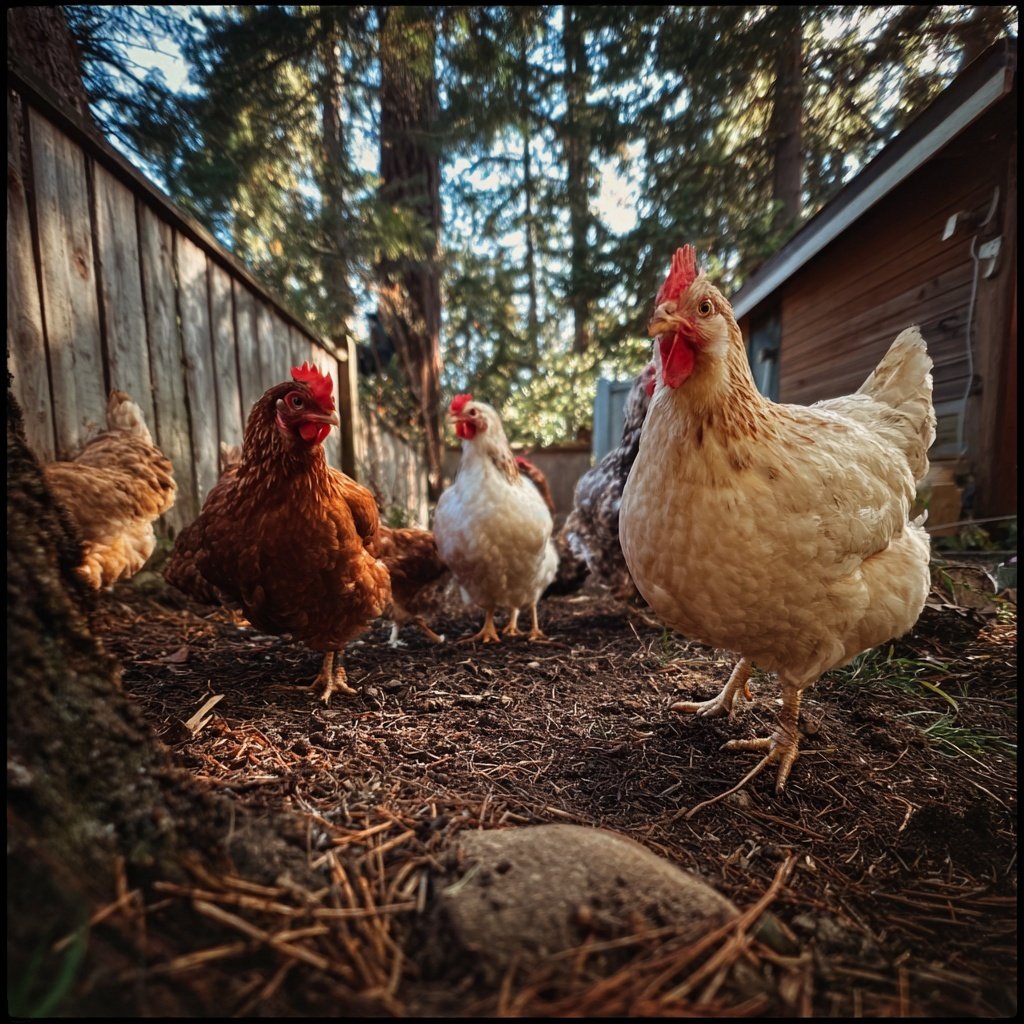
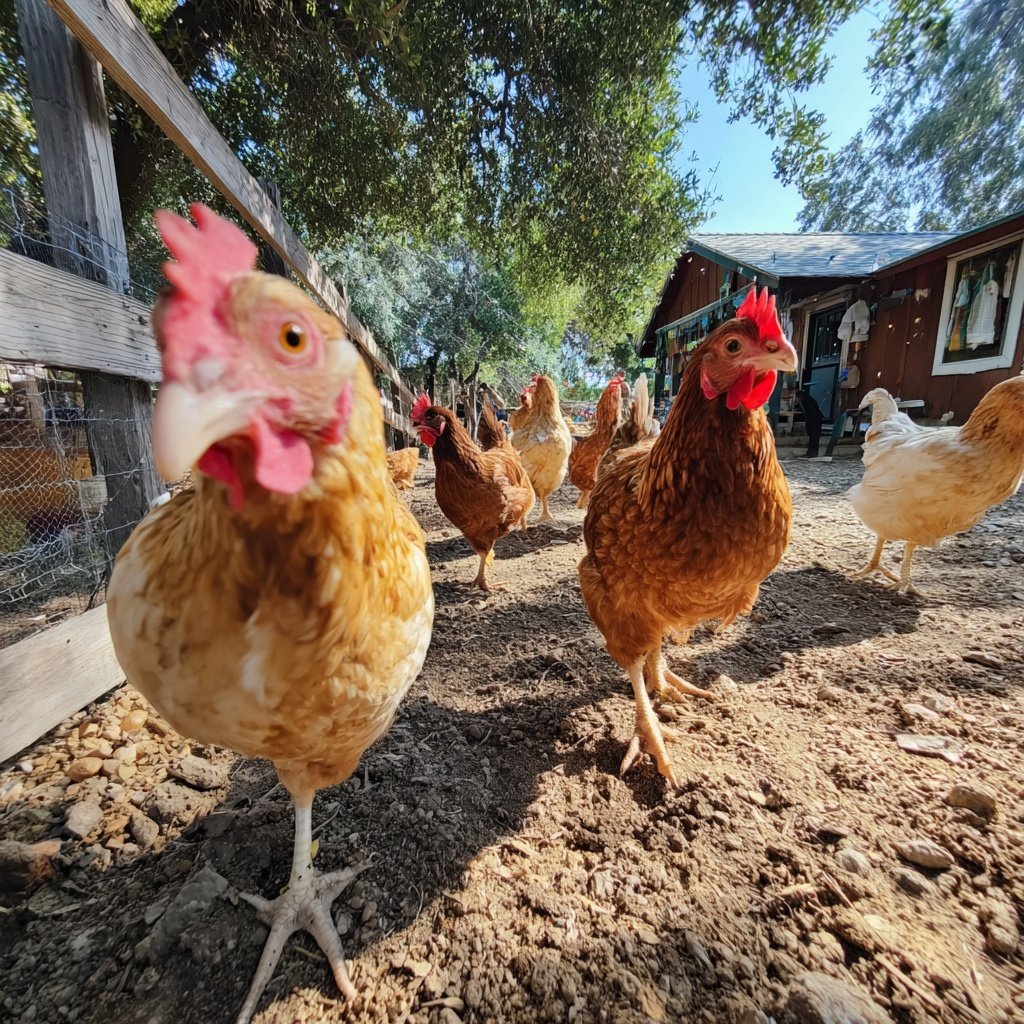
I have always dreamed of having my own backyard filled with clucking hens, and after much planning and research, I finally built a large chicken run that brings both joy and practicality to my garden. This setup has become a delightful oasis for my chickens, allowing them to roam freely while being protected from predators. In this post, I'll share my insights on creating a spacious chicken run, including the materials I used and tips to ensure your feathered friends are safe and happy.
Building a large chicken run was a labor of love for me and my family. We spent weekends planning the layout, selecting materials, and even picking the perfect spot in our backyard for the run. I wanted to make sure the chickens had enough space to stretch their wings and explore while still being safe from any lurking predators.
One of the best decisions I made was to include a solid roof to protect them from hawks and other birds of prey. Additionally, I utilized sturdy fencing to ensure they couldn't dig their way out or attract unwanted visitors. This experience has not only provided us with fresh eggs but has also brought a new level of joy to our backyard, watching the chickens thrive in their spacious home.
Why You'll Love This Chicken Run
- Provides a safe and spacious environment for your chickens
- Allows for easy access and maintenance of the coop
- Enhances the aesthetics of your garden with charming hens
Choosing the Right Location
Selecting the perfect spot for your chicken run is crucial for the well-being of your hens. Look for an area that receives a good balance of sunlight and shade. Chickens enjoy sunbathing, but they also need protection from the heat. A partially shaded area can help keep them cool during the summer months, while still allowing them to enjoy the warmth of the sun. Avoid low-lying spots prone to flooding, as this can lead to health issues for your hens.
When planning the location, consider proximity to your house for convenience. Being close makes it easier to monitor their health and ensure they have access to food and water. Additionally, positioning the run near trees or bushes can offer natural shelter, which chickens appreciate when they feel endangered. Just be cautious of any potential predators that might use these natural hiding spots as cover.
Maintenance Tips for a Happy Chicken Run
Maintaining a clean and spacious run significantly contributes to the health of your chickens. Regularly remove droppings and waste material to prevent the buildup of harmful bacteria and bugs. I recommend setting aside a specific day each week for thorough cleaning. This task can also help preserve the integrity of the wood and mesh fencing, prolonging the life of your chicken run.
Consider deep litter bedding as a natural way to manage waste. This method involves layering materials like straw, wood shavings, or even leaves on the floor of the chicken run. The bedding breaks down over time and provides both insulation and a comfortable walking surface for your chickens. Plus, it reduces odors and lessens the frequency of complete cleanouts.
Ingredients
Materials Needed
- Wood for frame
- Wire mesh for fencing
- Roofing panels
- Lumber for the floor
- Nails and screws
- Hinges for doors
- Paint or sealant (optional)
Instructions
Follow these steps to create a large chicken run that your hens will love!
Plan the Layout
Determine the size of the chicken run based on the number of chickens you plan to keep. A good rule of thumb is 10 square feet per chicken. Sketch your design to visualize the space.
Build the Frame
Use sturdy wood to create a frame for the run. Make sure it's level and securely anchored to the ground to prevent any wiggling.
Attach the Wire Mesh
Cover the frame with wire mesh, ensuring there are no gaps where predators could enter. Use strong nails or screws to secure it.
Install the Roof
Add roofing panels to protect your chickens from rain and hawks. Ensure the roof is securely fastened to withstand wind.
Create Access Points
Install doors for easy access to the run and chicken coop. Use good-quality hinges to ensure they operate smoothly.
Finalize the Run
Check for any sharp edges or protruding nails, and make sure the run is safe for your chickens before introducing them.
With your chicken run complete, your next step is to introduce your chickens and enjoy the delightful sounds of egg-laying in your backyard!
Pro Tips
- Consider adding nesting boxes inside the chicken coop for egg-laying and providing a dust bath for your chickens to stay clean and healthy.
Common Issues and Solutions
Predators are a constant threat to outdoor chickens, so it's essential to ensure that your run is fortified. If you notice signs of digging around the edges, consider burying the wire mesh at least 12 inches into the ground or adding rocks along the perimeter. This added security can deter many common predators, such as raccoons and foxes.
If your hens don’t seem to be using certain areas of the run, it could be due to inadequate shelter or unfavorable conditions. Observe their behavior and consider adding more shaded spots or providing perches for them to explore. I’ve found that giving them varied landscapes within the run generates more engagement and happiness among the flock.
Expanding Your Chicken Run
If your chicken flock grows or if you want to give your hens more room to roam, consider expanding the run systematically. A gradual increase of about 5 to 10 square feet per chicken, combined with securing additional fencing, ensures that every hen has their space. Always check local regulations and neighborhood guidelines regarding chicken ownership before making these changes.
When expanding, think about introducing new elements, like dust bathing areas or extra nesting boxes. This can prevent overcrowding and stress. A well-designed, expanded run can significantly enhance your chickens’ quality of life, making them happier and healthier layers overall.
Questions About Recipes
→ How much space do I need for each chicken?
You should provide at least 10 square feet of space in the run per chicken for their comfort and health.
→ What materials are suitable for the chicken run?
Use sturdy wood for the frame and strong wire mesh for fencing. Ensure that the materials can withstand weather and potential predator attacks.
→ How do I keep my chickens safe from predators?
Enclose the run with wire mesh, cover it with a solid roof, and make sure there are no gaps that predators could use to enter.
→ Do I need a permit to build a chicken run?
Check with your local regulations, as some areas may require permits for keeping chickens or building structures in your backyard.
Large Backyard Chicken Run
What You'll Need
Materials Needed
- Wood for frame
- Wire mesh for fencing
- Roofing panels
- Lumber for the floor
- Nails and screws
- Hinges for doors
- Paint or sealant (optional)
How-To Steps
Determine the size of the chicken run based on the number of chickens you plan to keep. A good rule of thumb is 10 square feet per chicken. Sketch your design to visualize the space.
Use sturdy wood to create a frame for the run. Make sure it's level and securely anchored to the ground to prevent any wiggling.
Cover the frame with wire mesh, ensuring there are no gaps where predators could enter. Use strong nails or screws to secure it.
Add roofing panels to protect your chickens from rain and hawks. Ensure the roof is securely fastened to withstand wind.
Install doors for easy access to the run and chicken coop. Use good-quality hinges to ensure they operate smoothly.
Check for any sharp edges or protruding nails, and make sure the run is safe for your chickens before introducing them.
Extra Tips
- Consider adding nesting boxes inside the chicken coop for egg-laying and providing a dust bath for your chickens to stay clean and healthy.
Nutritional Breakdown (Per Serving)
- Calories: 0 kcal
- Total Fat: 0g
- Saturated Fat: 0g
- Cholesterol: 0mg
- Sodium: 0mg
- Total Carbohydrates: 0g
- Dietary Fiber: 0g
- Sugars: 0g
- Protein: 0g