Vanilla Cake With Butter Frosting
Highlighted under: Baked Collection
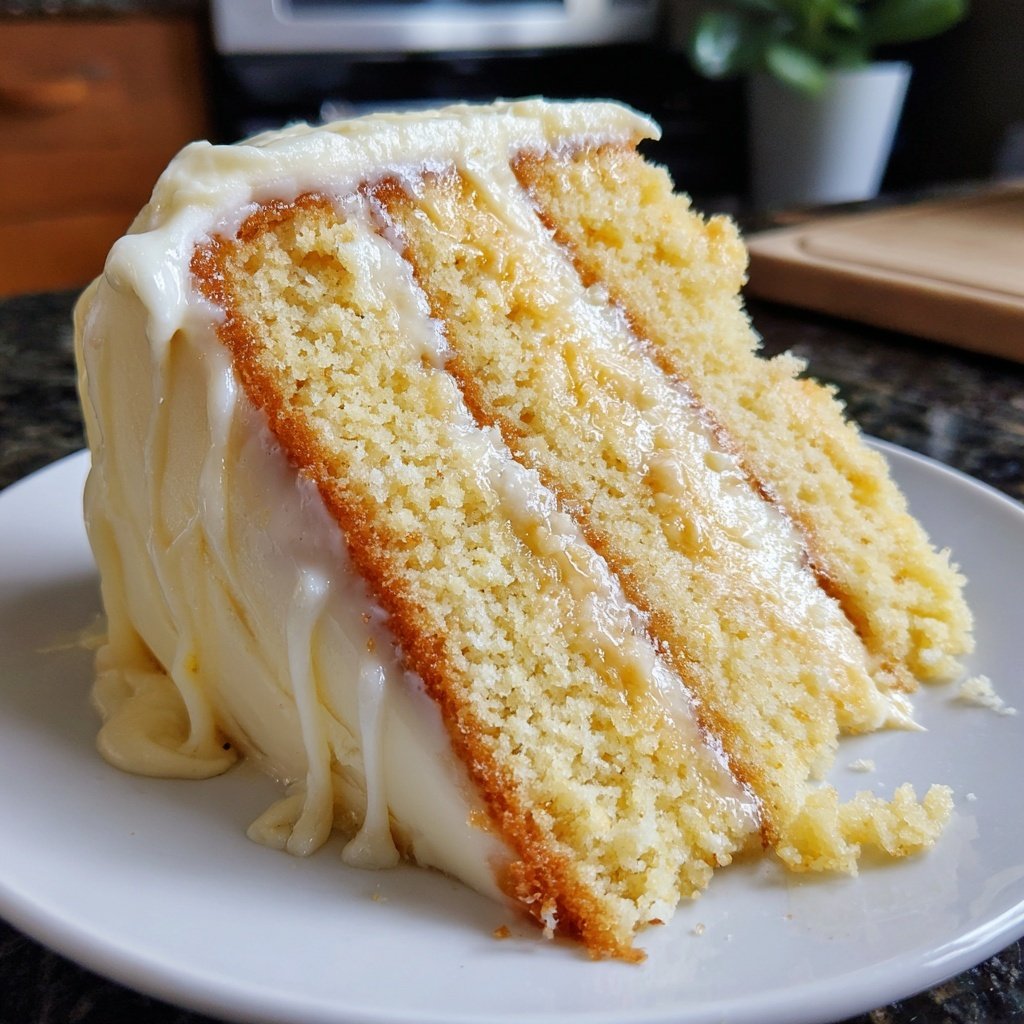
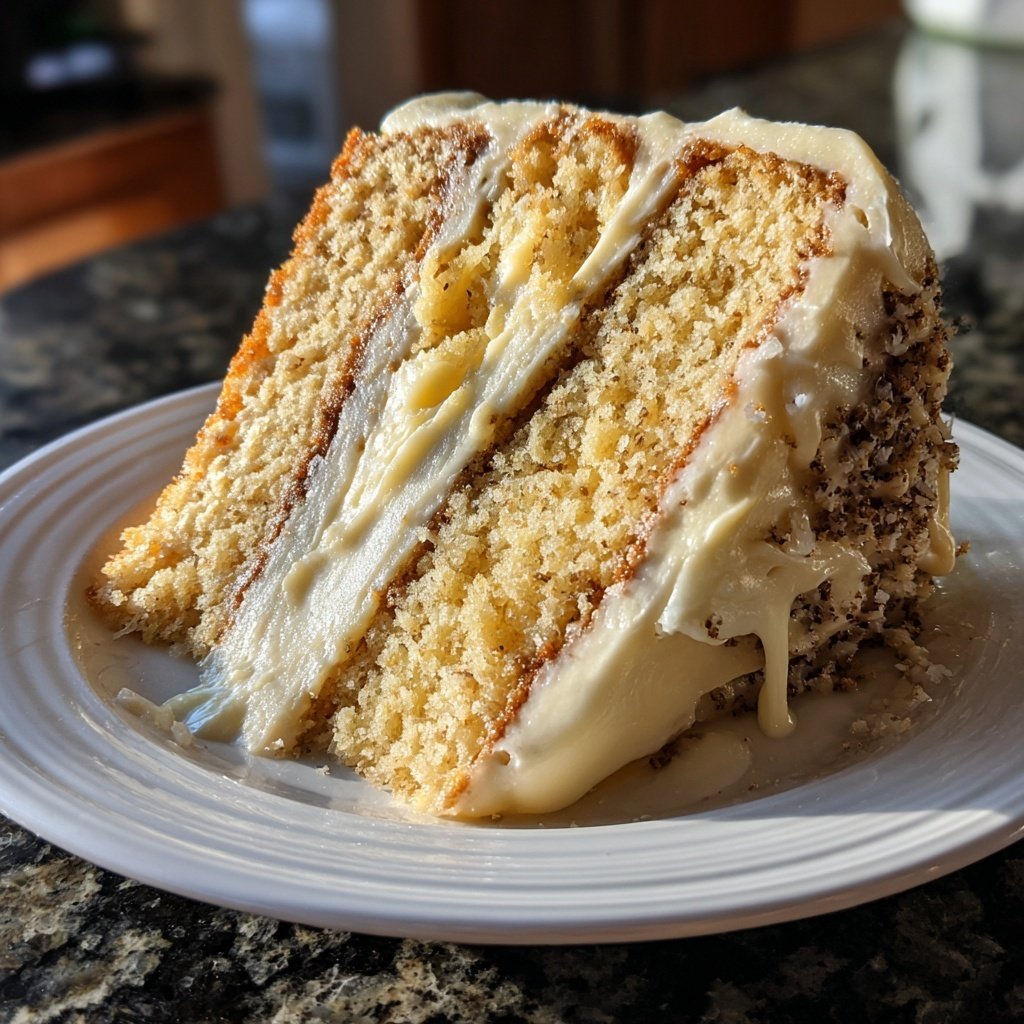
When I set out to make a vanilla cake with butter frosting, I envisioned a classic dessert that would bring comfort and joy to anyone who tasted it. After several attempts, I found the perfect balance of moist cake and creamy frosting that makes this recipe a true delight. The key is using high-quality vanilla extract, which elevates the flavor to a completely new level. I often make this cake for gatherings, and every time, it becomes the star of the dessert table!
Creating the perfect vanilla cake has always been a personal quest for me. I played around with different recipes, and after much trial and error, I've embraced a method that involves creaming the butter and sugar until fluffy, which really helps achieve that delightful texture. Each slice bursts with vanilla flavor, which is further complemented by the lightness of the butter frosting.
One tip that really made a difference was allowing the cake to cool completely before frosting it. This ensures a clean application of frosting and prevents it from melting into the warm cake. I've even topped it with fresh berries or chocolate shavings for that extra touch!
Why You'll Love This Recipe
- Deliciously moist cake with a rich vanilla flavor
- Smooth butter frosting that perfectly complements the cake's texture
- Versatile for any occasion, from birthdays to casual gatherings
Understanding Vanilla's Role
Vanilla extract is not just a flavoring; it’s the soul of this cake. High-quality vanilla can significantly alter the taste profile, transforming a simple vanilla cake into an extraordinary dessert. Using pure vanilla extract instead of imitation captures the essence of vanilla's aromatic complexity, which enhances the overall flavor. If you ever need a substitute, consider using vanilla bean paste or scraping the seeds from a vanilla pod for a more robust flavor. However, be mindful that these substitutes can intensify the cake's overall vanilla notes.
Moreover, the balance of sugar to flour in this recipe helps maintain moisture while allowing the striking vanilla flavor to shine. If you find that your cake seems too sweet, you can slightly reduce the sugar and compensate with an additional splash of vanilla extract to keep the flavor profile intact. This attentiveness to balance is crucial in achieving that coveted moist texture while still allowing the vanilla to be pronounced.
Frosting Techniques for Success
The butter frosting is a vital component of this dessert, and the freshness of your ingredients can make a significant difference. When beating the softened butter, aim for a glossy and creamy consistency before adding any sugar. Overbeating after adding powdered sugar can cause the frosting to become overly airy and difficult to spread. Therefore, add the sugar gradually and mix on a low speed until incorporated, then increase to high speed for fluffiness without sacrificing stability.
I recommend adjusting the frosting's consistency with milk carefully; start with 2 tablespoons, mixing well, and add more only if necessary. This will help maintain proper spreadability without making it too runny. If you find your frosting is too soft after adding the milk, refrigerating it for about 15 minutes can help it firm up, making it easier to work with when frosting the cake.
Storing and Serving the Cake
This vanilla cake can be made ahead and stored, which is especially handy for planning gatherings. If you need to prepare it a day in advance, wrap each cooled cake layer tightly in plastic wrap and refrigerate. This not only preserves its moisture but can also enhance the flavors as they meld together overnight. Just be sure to apply the frosting on the day of serving to prevent the frosting from softening too much in the fridge.
For serving, consider garnishing with fresh berries or a dusting of powdered sugar to add a pop of color and a hint of tartness to complement the rich sweetness of the cake and frosting. If you want to take it a step further, pairing a slice with a scoop of vanilla ice cream transforms this classic cake into a delightful sundae, perfect for any occasion.
Ingredients
Ingredients
For the Cake
- 2 cups all-purpose flour
- 1 ½ cups granulated sugar
- ½ cup unsalted butter, softened
- 1 cup milk
- 3 ½ teaspoons baking powder
- 1 teaspoon vanilla extract
- ½ teaspoon salt
- 3 large eggs
For the Butter Frosting
- 1 cup unsalted butter, softened
- 4 cups powdered sugar
- 1 teaspoon vanilla extract
- 2-3 tablespoons milk
Instructions
Instructions
Steps
Prepare the Cake Batter
Preheat your oven to 350°F (175°C). In a large bowl, cream together the softened butter and granulated sugar until light and fluffy. Add the eggs, one at a time, beating well after each addition, then mix in the vanilla extract. In another bowl, whisk together the flour, baking powder, and salt. Gradually add the dry ingredients to the wet mixture, alternating with the milk until the batter is smooth.
Bake the Cake
Pour the batter evenly into two greased 9-inch round cake pans. Bake in the preheated oven for 25 to 30 minutes, or until a toothpick inserted into the center comes out clean. Let the cakes cool in the pans for 10 minutes, then remove them from the pans and allow them to cool completely on a wire rack.
Make the Butter Frosting
In a large bowl, beat the softened butter until creamy. Gradually add powdered sugar, mixing until well combined. Add vanilla extract and enough milk to reach your desired consistency. Beat on high speed for about 3 minutes until the frosting is fluffy.
Frost the Cake
Once the cakes are completely cool, place one layer on a serving plate. Spread a layer of frosting on top, then place the second cake layer on top of it. Frost the top and sides of the entire cake evenly, smoothing it out with a spatula. Decorate as desired.
Enjoy Your Cake!
Pro Tips
- For an extra flavor boost, try adding a few tablespoons of almond extract to the cake batter or frosting.
Ingredient Insights
The use of unsalted butter in both the cake and frosting allows for better control over the salt levels, ensuring you can customize the sweetness to your taste. If you are dairy-free, coconut oil or vegan butter are suitable alternatives, but note that these may slightly alter the flavor and texture. When choosing flour, all-purpose is recommended for optimal texture; however, you can also try cake flour for a lighter crumb, adjusting the baking powder accordingly to maintain rise.
Granulated sugar is typically used in this recipe, but brown sugar can be a wonderful substitute, introducing a hint of caramel flavor that pairs beautifully with vanilla. If you decide to make this swap, remember that the moisture content will increase, so keep an eye on baking times as they may vary slightly.
Scaling the Recipe
If you want a larger cake for a big event, this recipe can be scaled up easily. To convert it into a three-layer cake, increase the quantities by 1.5 times; using a 10-inch round pan will help accommodate the extra batter. Just be sure to adjust the baking time, checking for doneness at about 30-35 minutes, as larger cakes typically take longer to bake through.
Conversely, if you are making a smaller cake, you can halve the recipe and bake it in smaller 6-inch round pans. This is a great option for intimate gatherings or as a sweet treat for home. Baking small cakes usually takes about 20-25 minutes, but always rely on the toothpick test to ensure they are baked perfectly.
Questions About Recipes
→ Can I use margarine instead of butter?
While you can use margarine, butter provides a richer flavor and texture that is hard to replicate.
→ How do I store leftover cake?
Store it in an airtight container at room temperature for up to 2 days or in the refrigerator for up to a week.
→ Can I freeze the cake?
Yes, you can freeze the un-frosted cake layers. Just wrap them tightly in plastic wrap and foil for up to 3 months.
→ Can I substitute gluten-free flour?
Yes, but ensure to use a 1:1 gluten-free baking flour to maintain the recipe's structure.
Vanilla Cake With Butter Frosting
Created by: Hester Lockwood
Recipe Type: Baked Collection
Skill Level: Intermediate
Final Quantity: 8 servings
What You'll Need
For the Cake
- 2 cups all-purpose flour
- 1 ½ cups granulated sugar
- ½ cup unsalted butter, softened
- 1 cup milk
- 3 ½ teaspoons baking powder
- 1 teaspoon vanilla extract
- ½ teaspoon salt
- 3 large eggs
For the Butter Frosting
- 1 cup unsalted butter, softened
- 4 cups powdered sugar
- 1 teaspoon vanilla extract
- 2-3 tablespoons milk
How-To Steps
Preheat your oven to 350°F (175°C). In a large bowl, cream together the softened butter and granulated sugar until light and fluffy. Add the eggs, one at a time, beating well after each addition, then mix in the vanilla extract. In another bowl, whisk together the flour, baking powder, and salt. Gradually add the dry ingredients to the wet mixture, alternating with the milk until the batter is smooth.
Pour the batter evenly into two greased 9-inch round cake pans. Bake in the preheated oven for 25 to 30 minutes, or until a toothpick inserted into the center comes out clean. Let the cakes cool in the pans for 10 minutes, then remove them from the pans and allow them to cool completely on a wire rack.
In a large bowl, beat the softened butter until creamy. Gradually add powdered sugar, mixing until well combined. Add vanilla extract and enough milk to reach your desired consistency. Beat on high speed for about 3 minutes until the frosting is fluffy.
Once the cakes are completely cool, place one layer on a serving plate. Spread a layer of frosting on top, then place the second cake layer on top of it. Frost the top and sides of the entire cake evenly, smoothing it out with a spatula. Decorate as desired.
Extra Tips
- For an extra flavor boost, try adding a few tablespoons of almond extract to the cake batter or frosting.
Nutritional Breakdown (Per Serving)
- Calories: 380 kcal
- Total Fat: 26g
- Saturated Fat: 15g
- Cholesterol: 195mg
- Sodium: 85mg
- Total Carbohydrates: 32g
- Dietary Fiber: 3g
- Sugars: 24g
- Protein: 6g