Korean Bibimbap
Highlighted under: International Collection
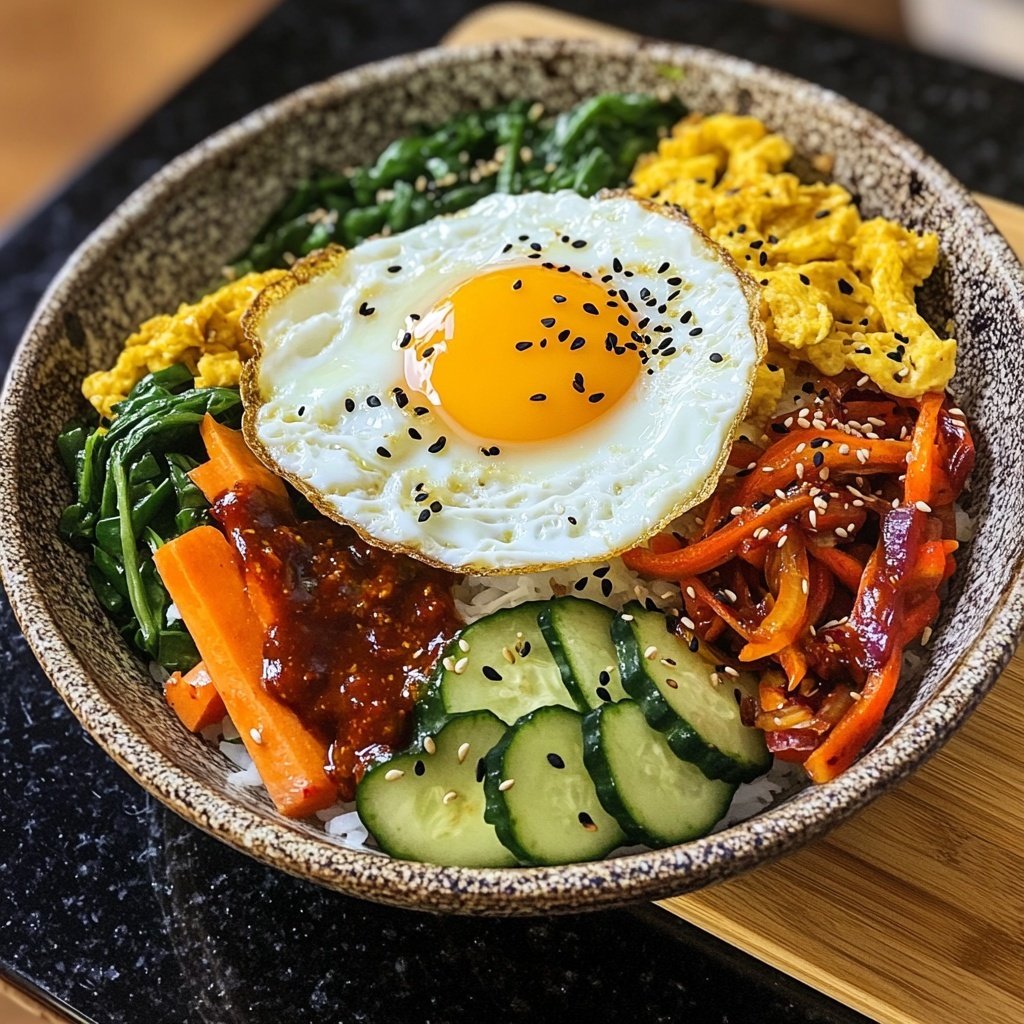
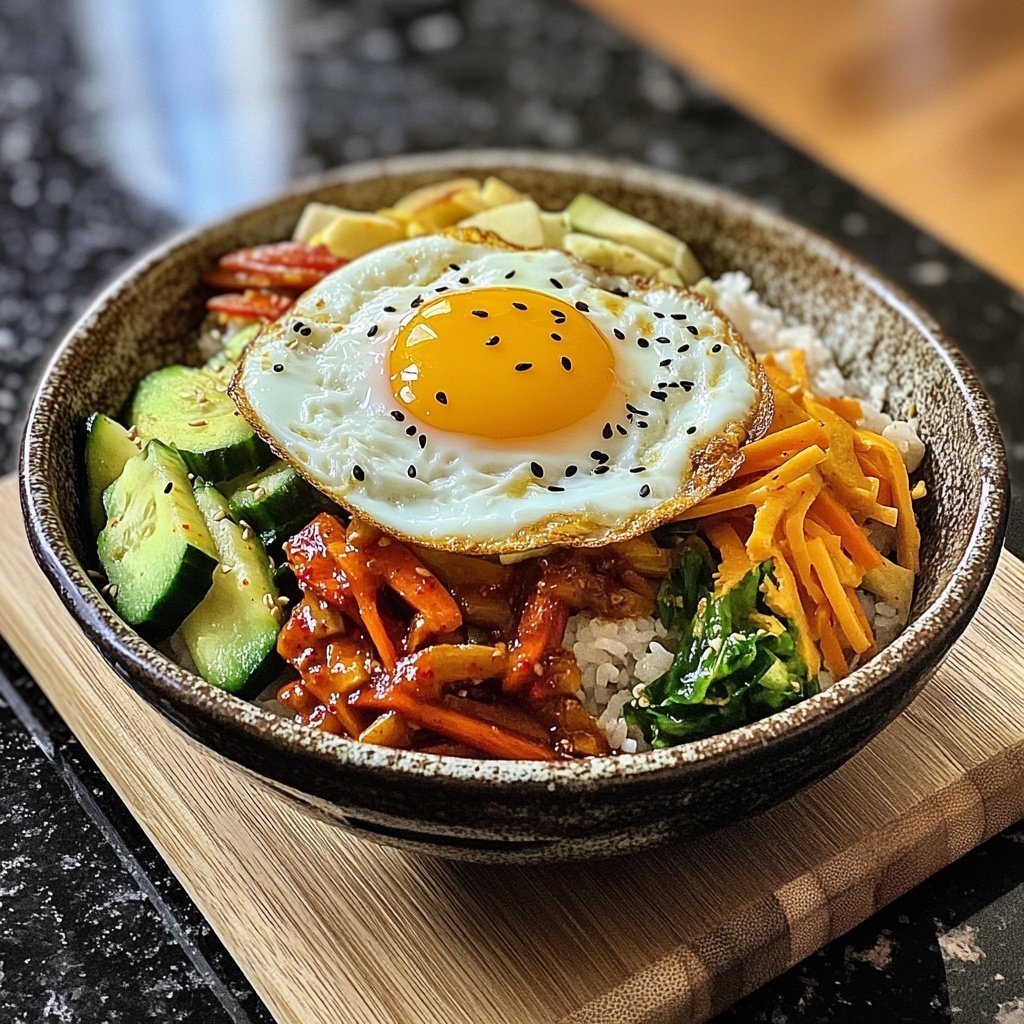
Korean Bibimbap is a vibrant and delicious rice dish topped with a variety of vegetables, meat, and a fried egg, all mixed together with a spicy gochujang sauce.
Korean Bibimbap is not just a meal; it's an experience that combines flavors, colors, and textures in every bite. This dish represents the harmony of ingredients and is perfect for both everyday dining and special occasions.
Why You'll Love This Recipe
- A colorful array of fresh vegetables that are both nutritious and satisfying
- The perfect balance of flavors from the spicy gochujang sauce
- Versatile - easily customizable with your choice of protein or vegetables
What Makes Bibimbap Special?
Bibimbap is more than just a meal; it’s a culinary experience that reflects the essence of Korean cuisine. The name itself means 'mixed rice,' which perfectly captures the dish’s core. Each ingredient is carefully chosen not only for flavor but also for its nutritional value, creating a balanced meal that’s both satisfying and healthy.
The vibrant colors of the various vegetables used in bibimbap create a feast for the eyes. The contrast between the greens, yellows, and reds is not only visually appealing but also indicative of their rich nutrient profiles. Eating a rainbow of vegetables ensures you’re getting a wide range of vitamins and minerals, making this dish a wholesome choice.
Moreover, the addition of the spicy gochujang sauce elevates bibimbap to new heights. This fermented chili paste adds a depth of flavor that is both intense and comforting. It’s the perfect complement to the fresh, sautéed vegetables and savory meat, offering a delightful balance that keeps you coming back for more.
Customization and Variations
One of the best aspects of bibimbap is its versatility. You can easily customize it to suit your taste preferences or dietary needs. Whether you prefer chicken, tofu, or even a medley of seasonal vegetables, the possibilities are endless. This adaptability makes bibimbap a great option for family meals where everyone can personalize their bowl.
For those looking to make a vegetarian or vegan version, simply replace the ground beef with marinated tofu or tempeh. You can also enhance the dish with additional toppings such as avocado, kimchi, or even a sprinkle of nutritional yeast for a cheesy flavor. This ensures that everyone can enjoy a delicious and satisfying meal.
Seasonal ingredients can also play a role in your bibimbap. In the spring, consider adding asparagus or fresh peas, while autumn can inspire you to use roasted pumpkin or sweet potatoes. By incorporating seasonal produce, you not only enhance the dish's flavor but also support local farmers and enjoy the freshest ingredients.
Serving and Enjoying Bibimbap
When it comes to serving bibimbap, presentation is key. Serve each ingredient in neat sections over a bed of rice in a large bowl, allowing diners to appreciate the vibrant colors and textures. Encourage everyone to mix their ingredients thoroughly before diving in, as this is where the flavors truly meld together.
Bibimbap is traditionally enjoyed with a side of kimchi, which adds an extra layer of flavor and probiotics to the meal. Pair it with a refreshing drink, such as iced barley tea or a light Korean beer, to complement the dish's rich flavors. This creates a balanced dining experience that is both satisfying and enjoyable.
Lastly, don’t forget that bibimbap is not just a meal; it’s a way to connect with family and friends. The act of mixing the ingredients together symbolizes unity and togetherness, making it a perfect dish for gatherings. Enjoying bibimbap with loved ones can create lasting memories and joyful experiences around the dinner table.
Ingredients
Gather the following ingredients to prepare your Bibimbap:
Ingredients for Bibimbap
- 2 cups cooked white rice
- 1 cup spinach, blanched
- 1 cup bean sprouts, blanched
- 1 cup carrots, julienned
- 1 cup zucchini, julienned
- 1 cup shiitake mushrooms, sliced
- 4 eggs
- 1 lb ground beef (or protein of choice)
- 2 tablespoons gochujang (Korean chili paste)
- 2 tablespoons sesame oil
- Soy sauce, to taste
- Sesame seeds, for garnish
- Green onions, chopped, for garnish
Ensure all ingredients are prepped and ready to create a beautiful Bibimbap.
Instructions
Follow these steps to create your delicious Korean Bibimbap:
Prepare the Meat
In a skillet, heat 1 tablespoon of sesame oil over medium heat. Add the ground beef and cook until browned. Season with soy sauce to taste, then set aside.
Cook the Vegetables
In the same skillet, add more sesame oil if needed and stir-fry the mushrooms, carrots, and zucchini separately until tender. Set aside each vegetable on a plate.
Fry the Eggs
In a small pan, fry the eggs sunny-side up or to your preference. Set aside.
Assemble the Bibimbap
In a bowl, add a serving of rice. Top with the cooked vegetables, ground beef, and a fried egg. Drizzle with gochujang and sprinkle with sesame seeds and green onions.
Mix everything together before enjoying your delicious Bibimbap!
Pro Tips
- Feel free to customize your Bibimbap with your favorite vegetables or proteins. For a vegetarian version, replace the beef with tofu.
Tips for Perfecting Your Bibimbap
To achieve the perfect texture and flavor in your bibimbap, consider using short-grain rice. This type of rice is stickier and holds together better, making it ideal for mixing with the vegetables and sauces. If you want an authentic touch, try using Korean rice varieties like 'sweet rice' for a delightful chewiness.
Another tip is to ensure that each vegetable is cooked to its optimal texture. Blanching greens like spinach and bean sprouts helps retain their vibrant color and crunch. For the mushrooms and other vegetables, stir-frying them quickly over high heat preserves their flavor and prevents them from becoming soggy.
Finally, don't shy away from experimenting with the gochujang sauce. Adjust the amount based on your heat tolerance, and consider adding a touch of honey or sesame oil for a hint of sweetness. This custom blend can make your bibimbap uniquely yours and even more delicious!
Storage and Reheating
If you have leftovers, bibimbap can be stored in the refrigerator for up to three days. To keep the ingredients fresh, store the rice and toppings separately. This prevents the vegetables from wilting and maintains their textures. Make sure to place them in airtight containers for optimal freshness.
When reheating, it’s best to use a microwave or a skillet on low heat. If using the microwave, add a splash of water to the rice to prevent it from drying out. Stir everything together after reheating to revive the flavors. You can also fry a fresh egg to top your reheated bibimbap for that just-cooked taste.
For those who enjoy meal prepping, bibimbap is an excellent option. Prepare individual components ahead of time and store them separately. This allows you to mix and match toppings and proteins throughout the week, ensuring you never get bored with your meals while enjoying the convenience of quick assembly.
Questions About Recipes
→ Can I use brown rice instead of white rice?
Yes, brown rice is a healthier alternative and works well in this dish.
→ Is Bibimbap gluten-free?
It can be gluten-free if you use gluten-free soy sauce and ensure that all ingredients are certified gluten-free.
→ Can I make Bibimbap vegetarian?
Absolutely! Just replace the meat with tofu or extra vegetables.
→ How do I store leftovers?
Store any leftovers in an airtight container in the refrigerator for up to 3 days. Reheat before serving.
Korean Bibimbap
Created by: Hester Lockwood
Recipe Type: International Collection
Skill Level: Intermediate
Final Quantity: 4 servings
What You'll Need
Ingredients for Bibimbap
- 2 cups cooked white rice
- 1 cup spinach, blanched
- 1 cup bean sprouts, blanched
- 1 cup carrots, julienned
- 1 cup zucchini, julienned
- 1 cup shiitake mushrooms, sliced
- 4 eggs
- 1 lb ground beef (or protein of choice)
- 2 tablespoons gochujang (Korean chili paste)
- 2 tablespoons sesame oil
- Soy sauce, to taste
- Sesame seeds, for garnish
- Green onions, chopped, for garnish
How-To Steps
In a skillet, heat 1 tablespoon of sesame oil over medium heat. Add the ground beef and cook until browned. Season with soy sauce to taste, then set aside.
In the same skillet, add more sesame oil if needed and stir-fry the mushrooms, carrots, and zucchini separately until tender. Set aside each vegetable on a plate.
In a small pan, fry the eggs sunny-side up or to your preference. Set aside.
In a bowl, add a serving of rice. Top with the cooked vegetables, ground beef, and a fried egg. Drizzle with gochujang and sprinkle with sesame seeds and green onions.
Extra Tips
- Feel free to customize your Bibimbap with your favorite vegetables or proteins. For a vegetarian version, replace the beef with tofu.
Nutritional Breakdown (Per Serving)
- Calories: 550 kcal
- Total Fat: 25g
- Saturated Fat: 6g
- Cholesterol: 180mg
- Sodium: 650mg
- Total Carbohydrates: 65g
- Dietary Fiber: 5g
- Sugars: 5g
- Protein: 20g